











GSl Sponsors the 2027 TUSD Guitar Festival and Competition
We are thrilled to announce that GSI is proud to sponsor the Tucson Unified School District Guitar F..
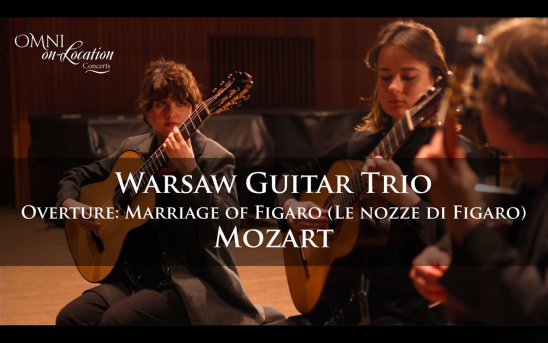
Warsaw Guitar Trio performs the Overture from Mozart's 'The Marriage of Figaro'
The Omni Foundation recently shared a performance by the Warsaw Guitar Trio of the Overture from Moz..
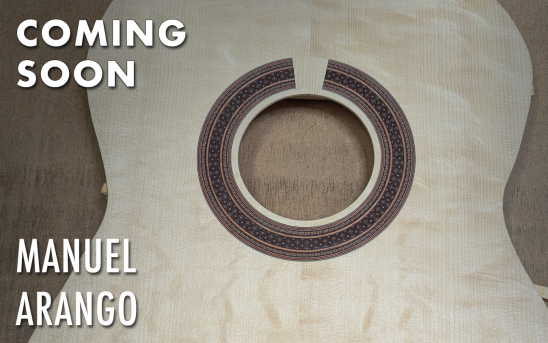
Coming Soon: A New Classical Guitar by Manuel Arango
Swiss luthier Manuel Arango first came to our attention at the 8th Antonio Marín Montero Guitar Maki..
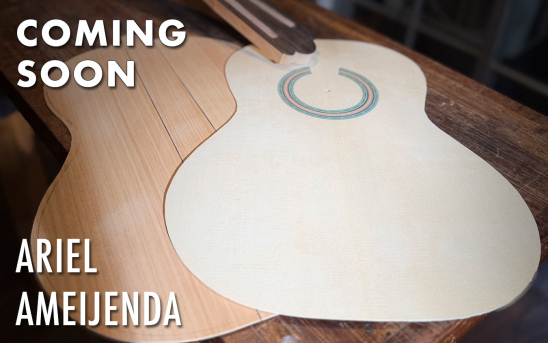
Coming Soon: A New Guitar by Ariel Ameijenda — Torres SE 81 Copy with Cypress
We have exciting news for fans of historically inspired classical guitars: Uruguayan master luthier ..

Pre-Order Now: Enrique García 1868-1922: Constructor de Barcelona
If you have any interest in the history of classical guitar making, this one is not to be missed!&nb..
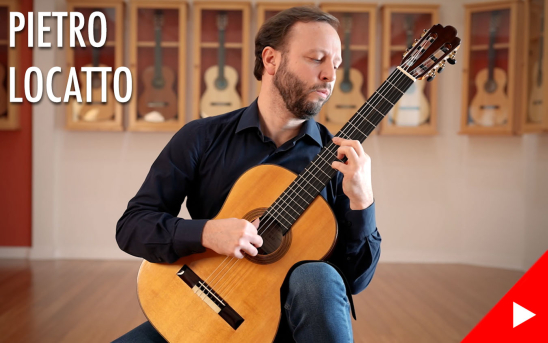
Pietro Locatto Records Moreno Torroba and Grieg at GSI
We've recently welcomed Pietro Locatto to our showroom for a recording session featuring works by Fe..
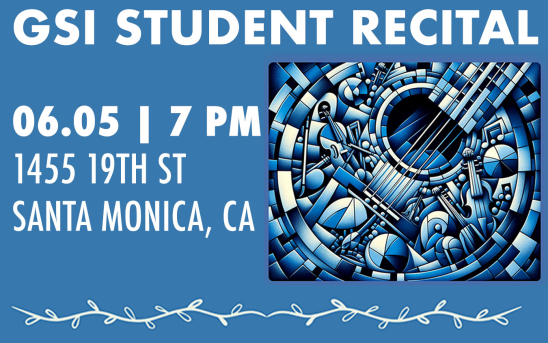
GSI Student Recital — This Friday, June 5th!
We are thrilled to invite you to the Guitar Salon International Spring/Summer Student Recital, takin..
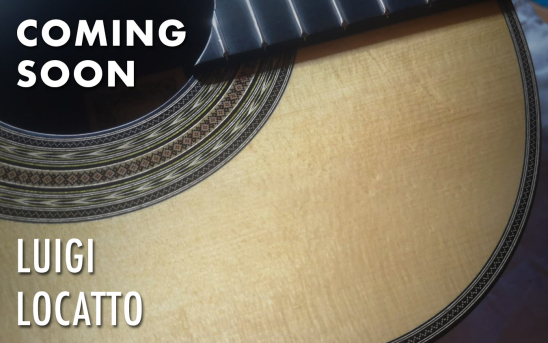
Luigi Locatto shares sneak peek photos of his new guitar!
Luigi Locatto, a fantastic guitar maker from Italy, shared with us sneak peek photos of his newest g..
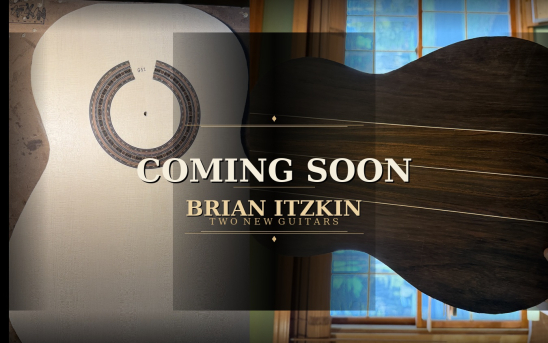
Coming Soon: Two New Guitars by Brian Itzkin
New York-based luthier Brian Itzkin is currently building two classical guitars that will be coming ..
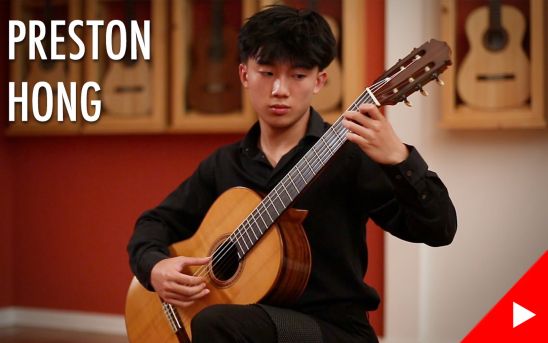
Preston Hong records music by Bach, Dyens, Regondi, Brouwer, and Piorkowski
GSI recently welcomed Preston Hong to its showroom for a recording session featuring a mixed program..

Scott Tennant Visits GSI: Three Guitars, Three Stories
Last week, we were honored to welcome Scott Tennant to GSI for a very special series of recorded con..
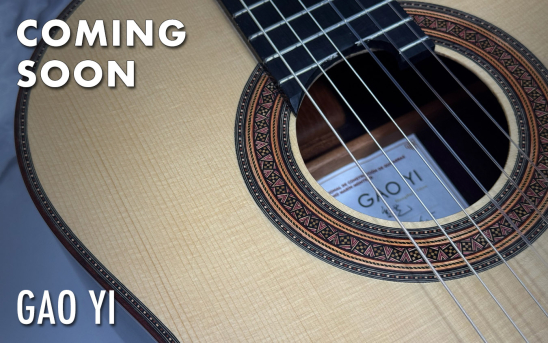
Sneak Peek: Gao Yi's Newest Flamenco Negra for GSI
We're excited to share some exclusive sneak peek photos of a stunning new flamenco negra guitar buil..

A Spanish Salón: Marc Teicholz and Friends Bring Boccherini to Newport Beach
On Friday, June 26, 2026, the Bay Chamber Music Festival presents A Spanish Salón: Chamber Music Nig..
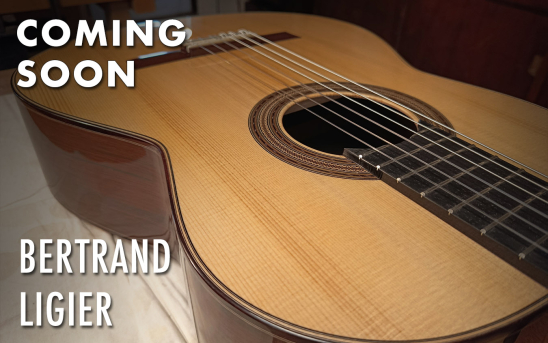
Coming Soon: A New Bertrand Ligier Classical Guitar in Spruce & African Rosewood
We're delighted to announce the imminent arrival of a stunning new instrument from Bertrand Ligier, ..
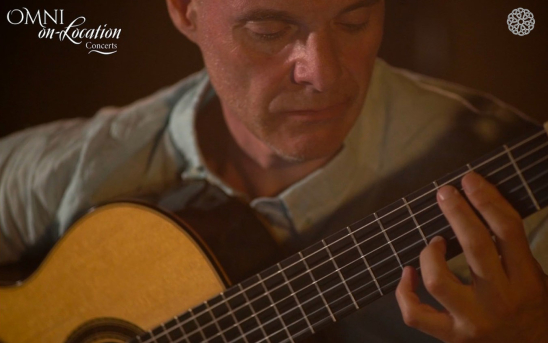
Ricardo Gallén Performs Assad's Colloquial Prelude No. 11
The Omni Foundation recently shared a performance of Ricardo Gallén playing Colloquial Prelude No. 1..